
Storm Damage Roof in Greenville, TX
Hunt County logs far less hail than the DFW metro, and that honest number is the one that counts. A local roofer dates your storm damage to a Greenville storm on record.
- A roofer beside you through the claim
- No hard close after the estimate
- Written terms on the work itself
Storm damage on a Greenville roof, read against the county
Greenville falls inside Hunt County, and Hunt County sits well outside the DFW hail belt. Across four years the NOAA log shows just ten hail days here and a top straight-line gust of 81 mph, a fraction of the thirty-plus-day counties an hour to the west.
That lower count is exactly why a close read pays off. Your roofer climbs slope to slope, matches any bruise to a dated Hunt County storm, and tells you outright whether a claim exists or the roof is simply aging out.
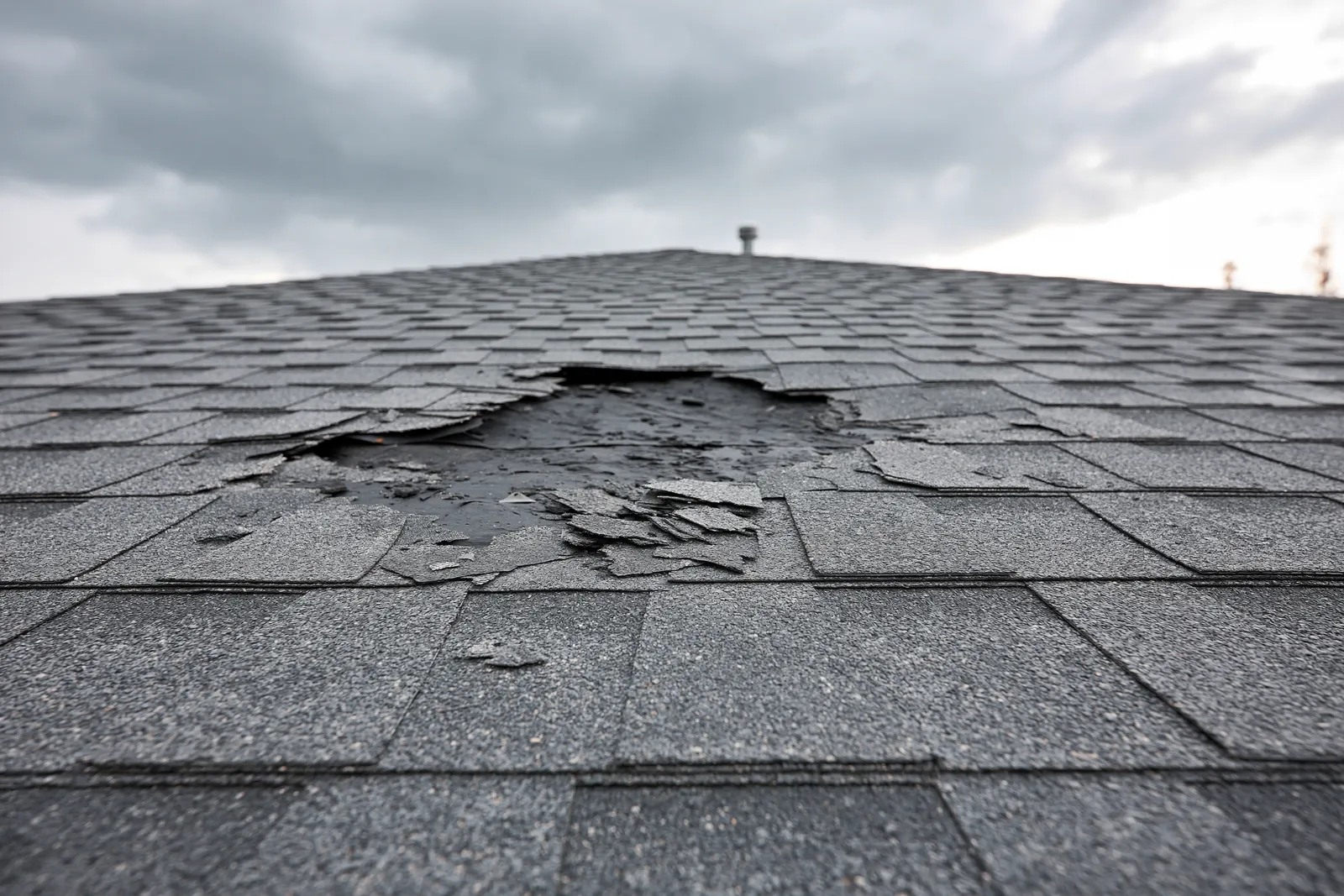
What a hail claim covers, and what it will not
One question decides a hail claim: did a datable storm cause the harm, or did the roof simply reach the end of its years? The two columns below drop the findings a roofer usually turns up into those two piles, so you can size up your Greenville roof before a file is ever opened.
A storm you can put a date on
Sudden hail or wind on a Hunt County storm date is exactly what a policy is written to pay for.
- Granule-stripped, bruised shingle. Dark soft pockets where a Hunt County stone drove the shielding granules down into the asphalt mat.
- Shingles lifted or torn by wind. Tabs kinked, peeled back, or missing along the sealant line once an 81 mph gust has worked them.
- Bruised flashing, vent hoods, and boots. Dished vent caps and cracked pipe collars that start to seep where the metal meets the shingle.
- Water stains that show up inside. Brown ceiling halos and soaked attic batts that tend to travel on the very same claim.
A roof spending down its own years
Insurers pay for a bad afternoon, not for slow age, and this is where most Greenville denials sit.
- A roof that has aged out. A good share of Greenville's older housing carries roofs near the finish of their service life, and a worn-out roof is a replacement you fund, never a carrier payout.
- Leaks that crept in unnoticed. Moisture that seeped in over many seasons, with no one storm day you could mark on the calendar.
- Corners a former crew cut. A sloppy install left by an earlier roofer is that roofer's problem to own, not something your insurer covers.
- Surface dimples that never leaked. A number of policies carve out cosmetic dents on metal that never actually let any water through.
Ten hail days on the Hunt County record
Hunt County draws far less hail than the counties an hour west of it. The four-year NOAA tally comes to ten hail days across 24 reports, a peak straight-line gust of 81 mph out at Caddo Mills, and a county-topping 2.50-inch tennis-ball stone at Neylandville in a recent summer storm, north of the city. Inside Greenville the stones stay smaller: quarter-size hail has landed over town in recent seasons, while golf-ball stones dropped just outside at Weiland and Celeste. Each line in the table below is drawn straight from the Storm Events database kept by NOAA and NCEI for Hunt County, recorded by them, not by this brand.
Source: NOAA / NCEI Storm Events Database, Hunt County 2023–2026, on the record. Above: the most recent entries pulled from that record. Updated July 2026. A modest county record does not mean your own roof came through clean. A quarter-sized stone still dents the mat beneath the shingle, so an eyes-on read after a hard Hunt County night usually earns its hour.
What your inspection leaves in your hands
A proper inspection closes with paperwork rather than a handshake, and each one follows the same routine so nothing about the roof depends on memory later. What your roofer leaves behind comes in four parts, every one pulled from your own Greenville roof and delivered on your timeline.
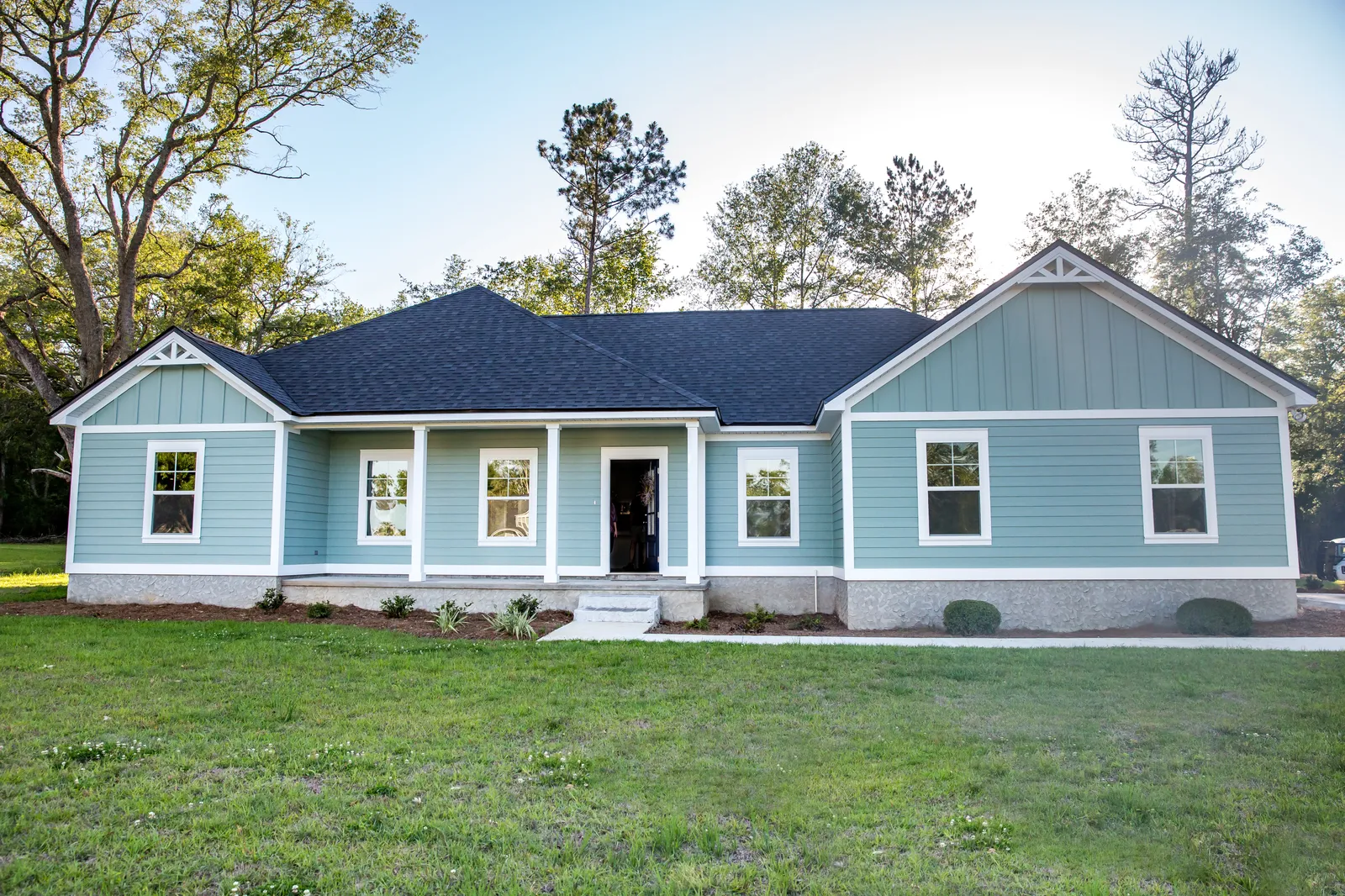
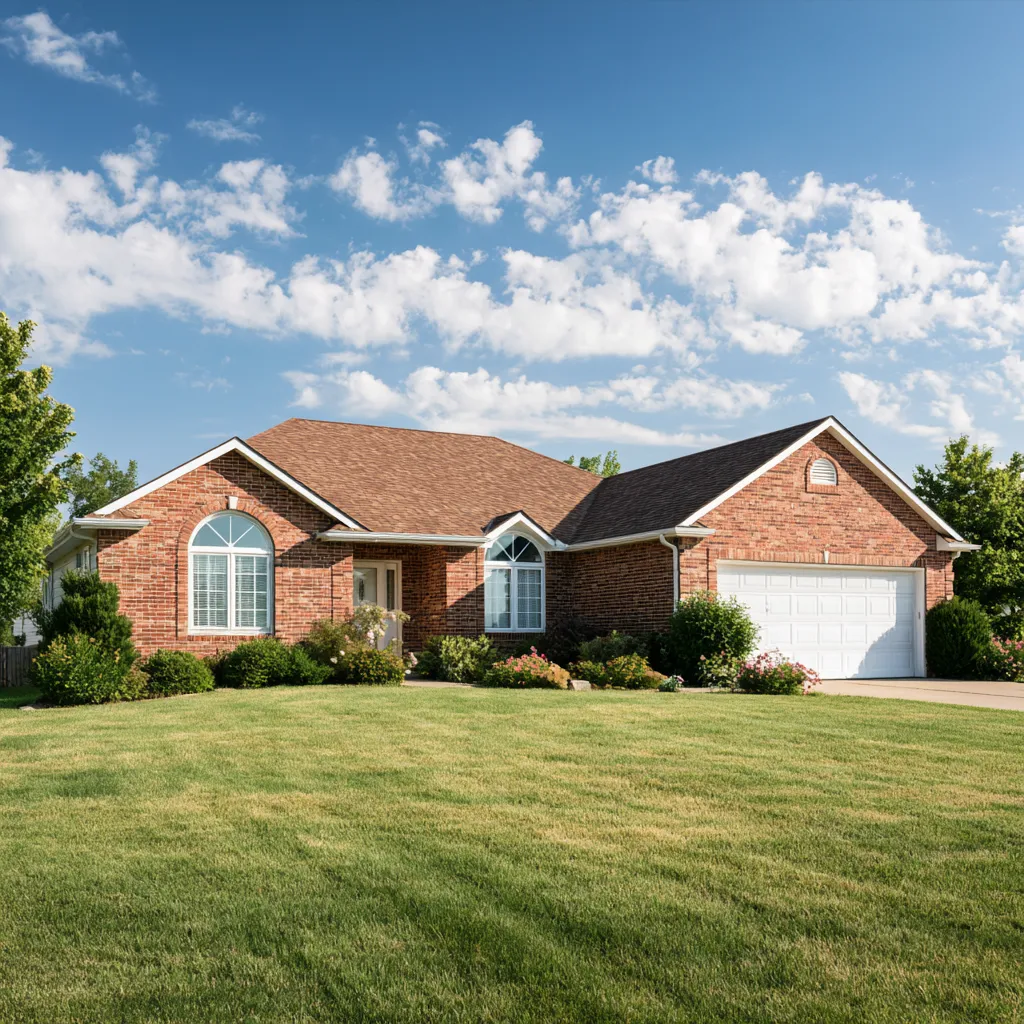
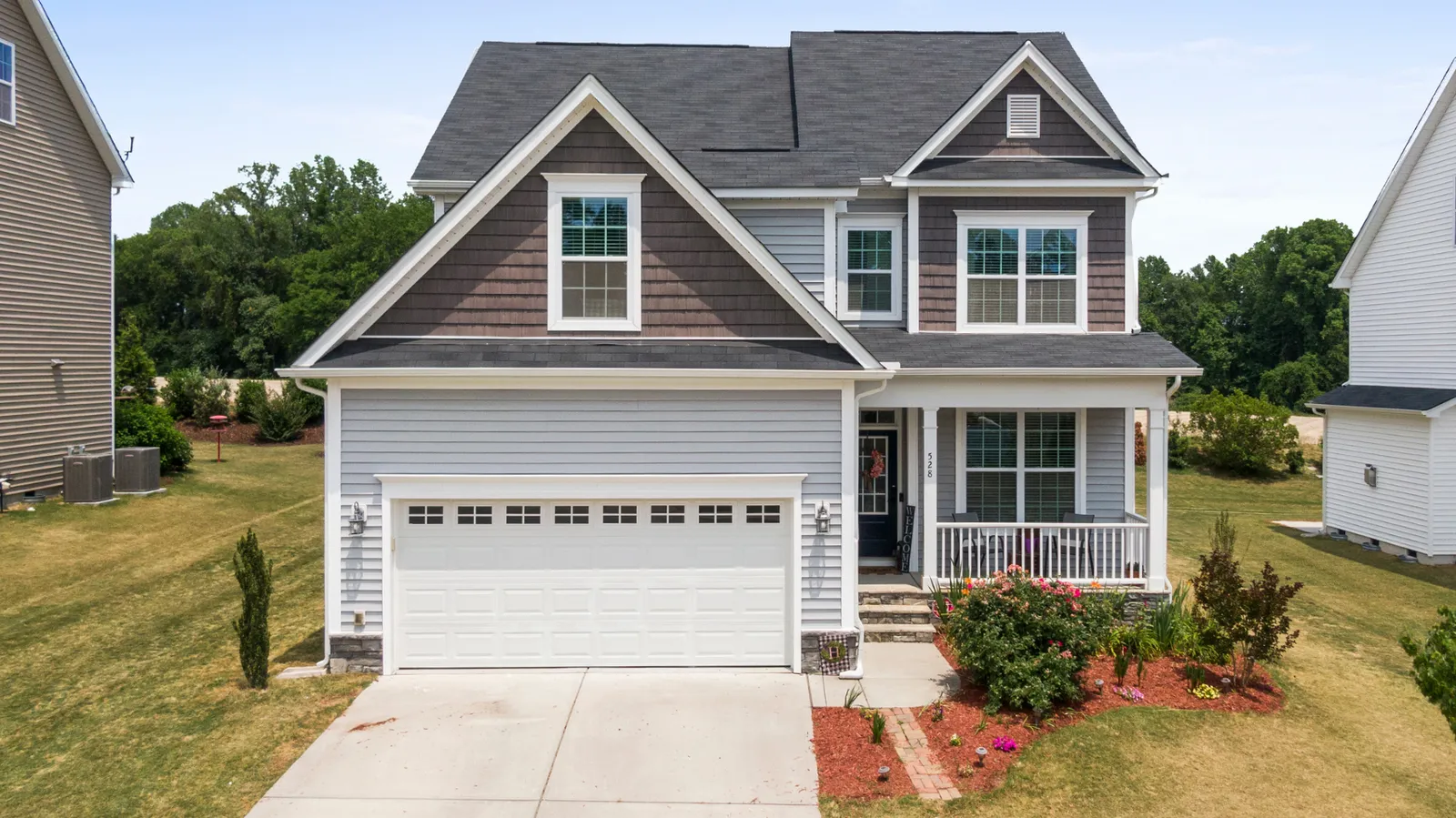

Anything shown here stands in as an example, a sense of how a completed file reads. The set you get is assembled from your roof and no other, during your own appointment, on the schedule that suits you.
Tells you can catch from the ground
None of this asks for a ladder. Circle the house on foot, glance into the gutters, and the signs that hail or wind truly made it onto the roof tend to show themselves, a check worth making even when the curb view looks perfectly fine.
- Loose granules piled in the splash blocks or collected at the base of a downspout
- Gutters overflowing or pulling off the fascia after a rough Hunt County storm
- Runs of shingle tab lifted, creased, or left loose along the seal after hard wind
- A tea-brown ring spreading over a ceiling or down an upper wall a couple of weeks on
- Chimney or valley flashing lifted or knocked loose where soft metal took the blow
Most of these tells barely register from the driveway, so a documented look pays for itself after any rough Hunt County hail, and a minor strike found early usually settles into a fast storm repair rather than the full tear-off a missed one turns into. If water is already coming in: photo record first, tarp right after; the carrier requires the protection and pays it back.
The questions Greenville homeowners ask after a storm
What tends to surface once the weather passes and an aging Greenville roof needs a clear answer.
Q1Does Greenville see enough hail to be a real concern?
Q2Hail hit close by, but my roof looks okay. Worth a look anyway?
Q3How big does hail need to be to hurt a Greenville roof?
Q4My roof has decades on it. Does age sink a hail claim?
Q5Should I hold off until it actually leaks?
Q6Does hail always mean a whole new roof?
Tie your storm damage to a dated Hunt County hit
Send your address to Greenville Roofers, and a roofer walks the roof face by face, lines up each photo against the Hunt County log, and hands you a plain finding on whether there's any claim to make at all. If nothing on the roof rises to a real claim, that is precisely what you will be told.