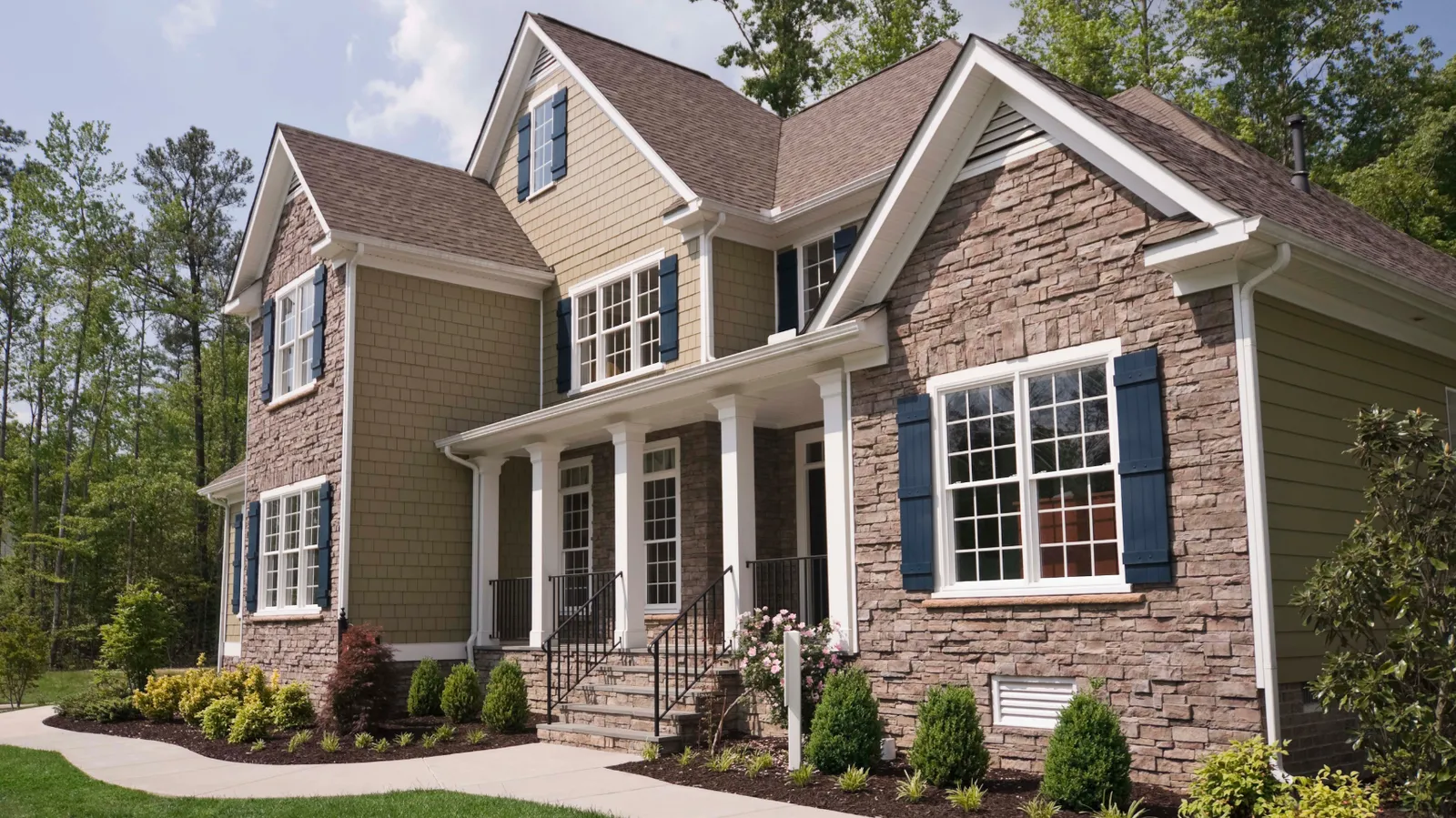
Roof Replacement in Greenville, TX
On an older Greenville home a full re-roof is a real spend, so a local roofer scopes the deck, flashing, and ventilation onto one written estimate before the tear-off, not after.
- A roofer beside you through the claim
- No hard close after the estimate
- Written terms on the work itself
Greenville re-roofs are scoped in writing before the tear-off
A roof replacement on an older Greenville, TX home is a real check to write, so the upfront estimate puts the entire job on paper before the first shingle is pulled. The old covering strips to the deck first, and from there a local roofer reads the bare plywood, renews the flashing, and sets a proper vent path.
A worn look is not proof on its own. A local roofer settles whether the field is truly spent or a targeted repair still holds, and either answer is written down with its price before any tear-off is booked.
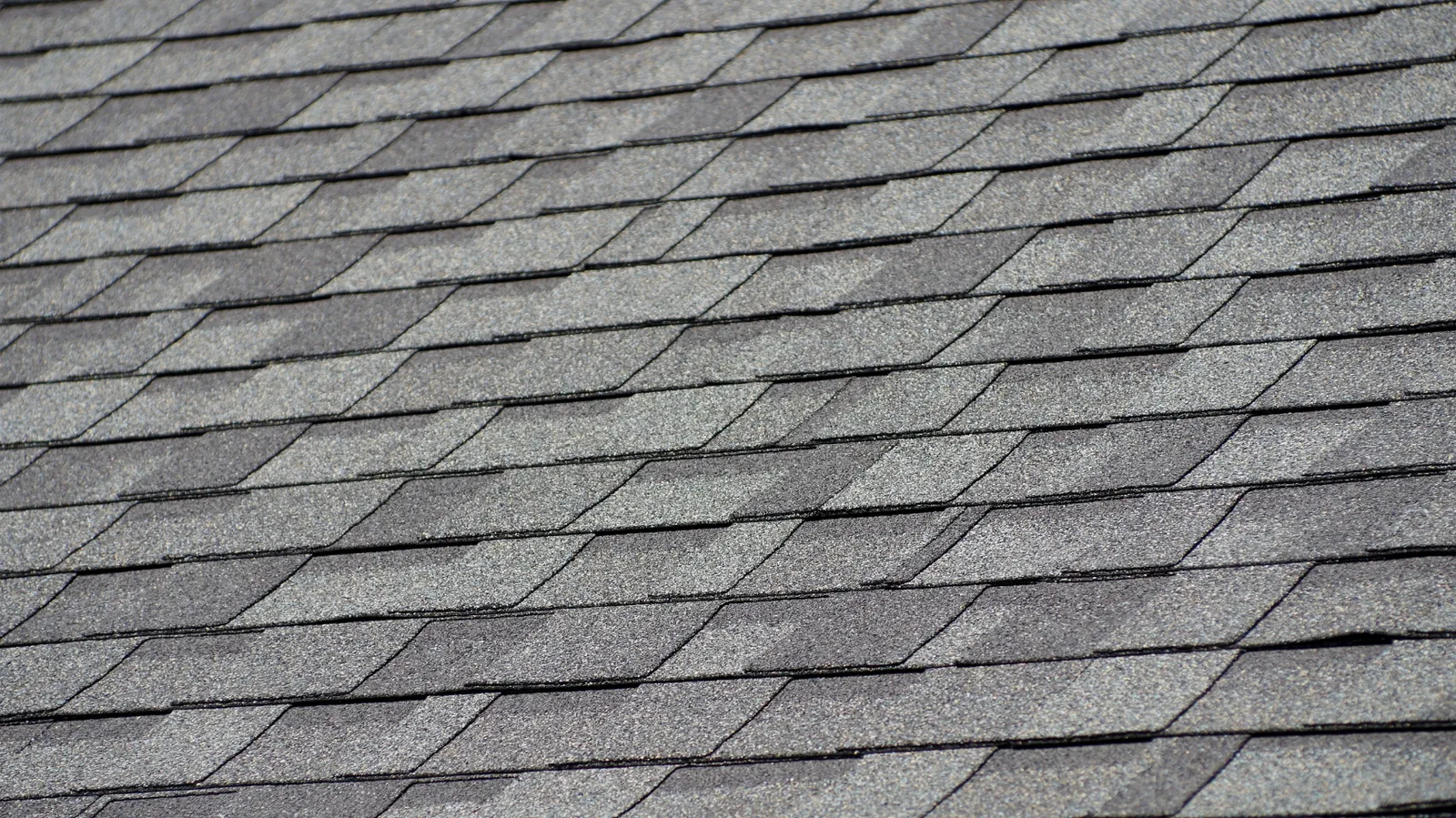
What a Greenville, TX roof replacement puts on one estimate
Five things a clear replacement estimate spells out on paper up front, not costs a modest budget runs into once the old roof is already off.
- 01The old roof stripped to bare deck
- Everything on top comes down to bare plywood, the shingles, the underlayment, and any older layer a previous roof left in place. Going over those courses only locks in the very wear a tear-off is meant to clear, and code will not permit a third layer over two.
- 02The decking read in the open
- With the plywood exposed, a local roofer walks it panel by panel and replaces anything soft, split, or stained dark by an old leak. Older Greenville homes hide more of these than newer ones, so every swap is written as a line you sign off, not a charge that appears after the roof is buttoned up.
- 03A fresh water barrier under it all
- Before any shingle, a synthetic underlayment blankets the deck, and a waterproof membrane seals the valleys plus every pipe, vent, and wall joint. That covered layer is what keeps a hard Hunt County downpour off the wood if a gust ever lifts a shingle.
- 04New flashing, not re-bent metal
- Wall, chimney, and valley flashing all get replaced with the tear-off rather than bent back and re-sealed. The old metal a past roof left in place is usually the first seam a new leak finds, so putting it back to save a few dollars quietly undercuts the whole re-roof.
- 05A new field with the venting set right
- The new shingle field and fresh pipe boots go on last, along with the items current code expects: a drip edge, proper nailing, and enough intake and exhaust venting for the attic to breathe. Many older Greenville attics come up short on airflow by that standard, and fixing it is what lets a fresh roof actually last the years it is rated for.
Cannot tell if the whole field is done or just one detail has failed? A documented inspection gets the real condition on paper before any number is named, and the shingle options guide lays out which shingle is worth the money going back on.
How a documented Greenville re-roof gets built back
Four stages, each signed off in photos before the next begins, so a Greenville re-roof stays on budget from the first measurement through the final cleanup.
Tape out, then a dated schedule
A re-roof starts with a tape measure, not a number guessed from the curb. A local roofer measures each slope, adds up the squares, and gives you a dated schedule that names the real working days and the exact materials. Most Greenville homes come off and go back on in a day or two in good weather, so you know the mornings a crew will be there.
Old roof off, deck shot in the open
The whole old roof strips down to raw wood, and the bare deck gets photographed and graded before anything covers it again. A soft or leak-stained panel is spotted, shown to you, and priced on the spot, so any deck work follows the estimate you signed rather than surfacing as a surprise on the final invoice.
Seal the deck before any shingle
New underlayment and flashing lock the open deck down before the first shingle is laid. That sequence counts most on older Greenville homes, where a slow leak may have been feeding on the wood for years, so the sealed deck keeps the next rain out while the roof is still open.
Sweep, final walk, and the paperwork
With the field finished, a magnet sweeps the yard and flowerbeds for stray nails, the roof is walked slope by slope against the signed plan, and the workmanship and manufacturer warranties go into a folder that stays with the house for a future claim or sale.
When a Greenville roof has aged past a patch
Spot two or three of these together and the field itself is finished, not a slope a repair could carry a while longer.
- Twenty-five years or more on the roof, or a mid-century downtown home still wearing its first covering
- Grit worn off across every slope, shiny bald patches, dark thinning streaks, and gutters that keep catching granules after a rain
- More than one ceiling stained, or a patch that lasts a few weeks before a new spot opens up close by
- An adjuster has already written the roof off on a Hunt County storm claim, with the carrier paying for a replacement instead of a repair
- Brittle shingles curling at the corners and splitting across face after face, a whole field spent rather than one bad detail
- Daylight visible between the roof boards from the attic, or damp stains that keep creeping wider across the decking
Torn between a patch and a full tear-off? A documented look on the roof settles it slope by slope, and if a storm is the cause, the storm damage guide walks through dating the hits for a claim.
Where a Greenville re-roof budget usually settles
Everything is measured by the square, a 100-square-foot patch of roof, so a taller or more broken-up roofline simply adds squares to cover.
Architectural asphalt sits around $410 to $690 a square, a Class 4 impact shingle roughly $500 to $780, designer profiles $550 to $960, and standing-seam metal $820 to $1,470. On a typical 24-square Greenville home, architectural asphalt is where most re-roofs land. Stripping an older layer and swapping any rotted decking show up as their own itemized lines, agreed against the open deck before the new field covers them, so your written estimate shows the full figure with nothing tucked out of sight.
See the full cost guide- Measured by the square, 100 square feet each, so a taller or more cut-up Greenville roof adds squares to the total
- Architectural asphalt is the value choice at roughly $410 to $690 a square, with Class 4 impact around $500 to $780, a grade up
- Designer profiles and standing-seam metal cost more at install and last longer, a fit for a stay-put home
- An older layer to strip and any soft decking are itemized, agreed on the open deck, and never sprung as a late surprise
What sets the price on an older Greenville re-roof
Greenville homes are priced well below the DFW-suburb average, so a full re-roof is a real line in a household budget. On a modest home the honest written estimate matters more than the sticker price.
A local roofer grades whether the field is truly spent or still has usable years, because the gap between a needed tear-off and a targeted repair is real money kept in your pocket.
- 01A roof that is genuinely spent
- Across the older downtown and west-side homes, decades of Texas sun leave the whole field brittle and granule-bare, and a full replacement is the right answer. The estimate names the deck, flashing, and venting up front, so the budget is fixed before the tear-off.
- 02A roof that only looks finished
- A newer south-side roof, or one bruised by hail in a single spot, often needs a section reset, not a full tear-off. A local roofer says so outright rather than selling a whole roof a modest home has no reason to buy yet.
Unsure which of the two your roof is? A documented inspection reads it slope by slope, and the materials guide helps match what goes back on to how long you mean to stay in the house.
Questions Greenville owners ask before a re-roof
What Greenville owners settle with a roofer before any day lands on the schedule.
Q1My roof looks rough but the house is modest. Replace or repair?
Q2Can new shingles go over the old roof to save money?
Q3What will a new roof actually cost on a Greenville home?
Q4What happens if the roofers find rotted decking underneath?
Q5Greenville does not see much hail. Do I still document a storm first?
Q6Is a better shingle worth it on a modest Greenville roof?
A Greenville re-roof, scoped and priced in writing
Send Greenville Roofers your address, and a local roofer reads the deck, sizes every slope, and writes the whole re-roof as one firm estimate, replace or repair. The first look is free.