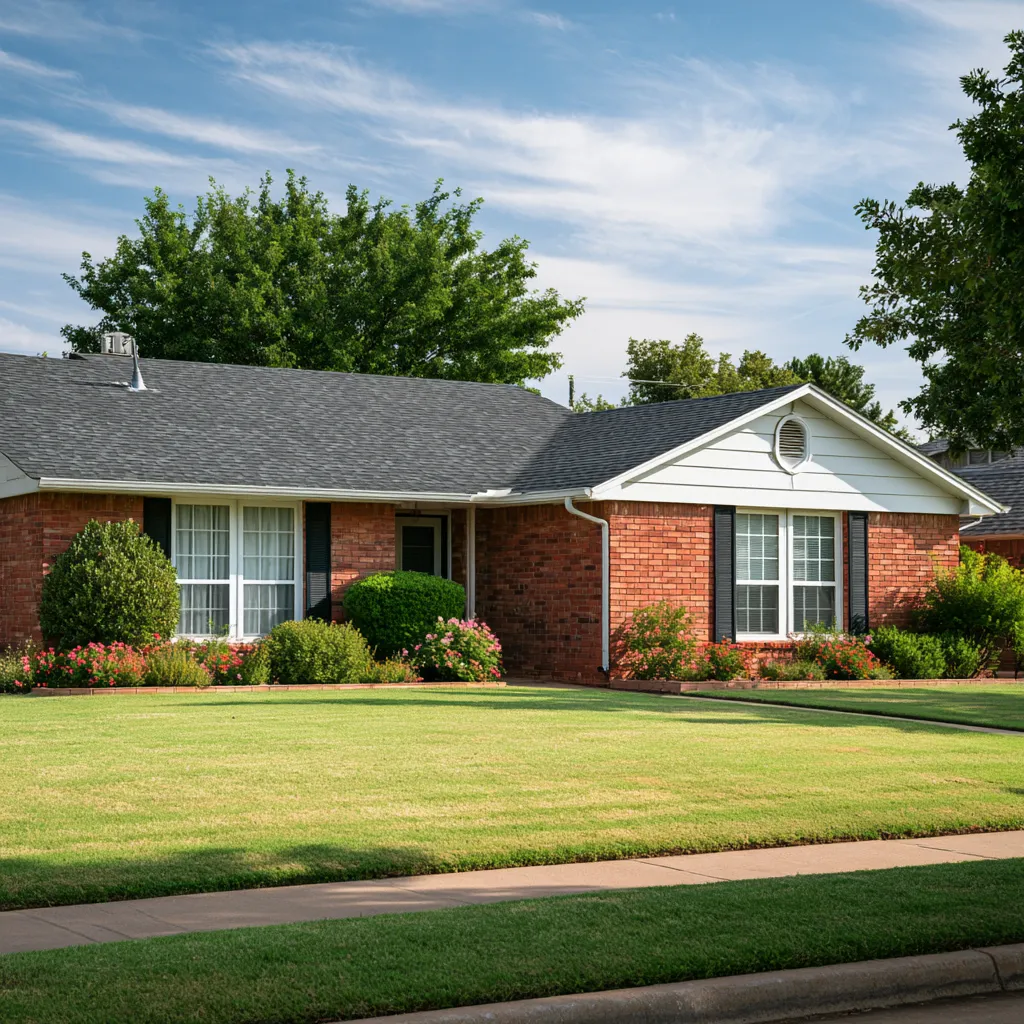
Hail Damage Roof Repair in Greenville, TX
Hunt County's hail log stays modest, near ten hail days and gusts around 81 mph, a good bit under the DFW metro. A roofer sizes up your slopes against that real figure and pins the storm to a date.
- A roofer beside you through the claim
- No hard close after the estimate
- Written terms on the work itself
Hail damage roof repair, measured against Hunt County's record
Greenville sits outside any hail belt, and that plain fact shapes what a fair hail damage roof repair looks like. The Hunt County NOAA record stays modest, around ten hail days and peak winds close to 81 mph, well below the thirty-plus-day pace of the DFW metro.
The real task is separating a fresh hail bruise from wear the roof already wore. A roofer covers each slope, marks every real bruise and wind-lifted tab, then ties it to the storm that moved through Hunt County, so the insurance claim stands on proof instead of guesswork.
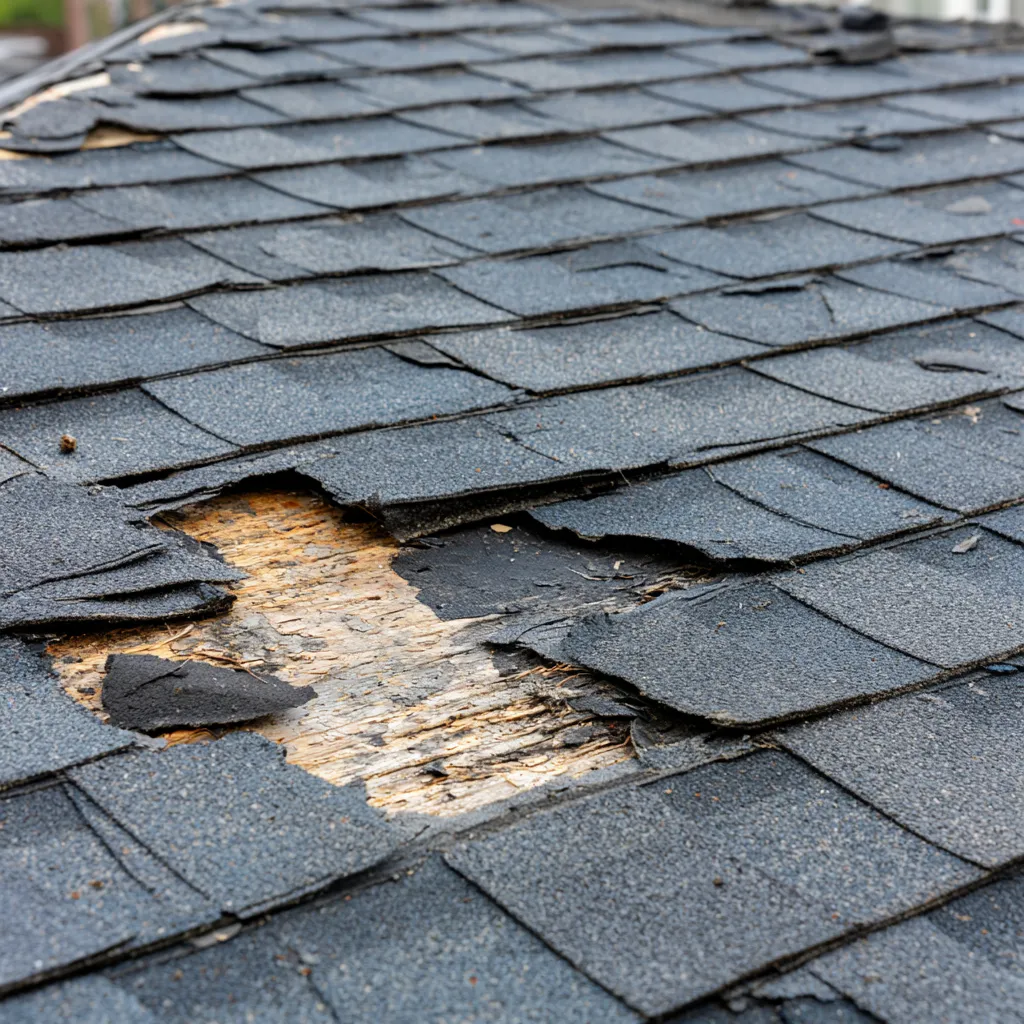
Fresh hail sorted from an old roof's wear
The four things a roofer records and dates after Greenville hail.
- 01New bruises, not old granule wear
- A roofer picks the round, dated dents where a stone landed apart from the even, roof-wide granule loss an older Greenville roof already carries, since only fresh hail belongs in a claim and dressing wear up as a storm hit serves nobody.
- 02Tabs a Hunt County gust peeled
- Spots where an 81 mph gust broke a sealant strip or rolled back a run of tabs along the ridge, logged even after the tab has laid itself flat again and reads fine from the yard, because wind pulls its weight here next to the hail.
- 03Dents driven into soft metal
- Pitted gutters, caved vent hoods, and dimpled AC fins stand as the side proof that a stone really landed, and they help nail the damage to one datable day in the Hunt County record.
- 04Each mark tied to a storm date
- Every finding gets photographed, time-stamped, and lined up against the day hail was logged across Hunt County, so the proof stands ready well before any adjuster climbs a ladder.
That documented file is what carries a fair claim. For the line where ordinary wear stops and Hunt County hail starts, the storm damage guide sets out the county figures, and a free inspection measures your roof against them.
From storm date to the patched slope
Each slope read, every mark dated to a Hunt County storm, then only the harmed shingles swapped.
Walked, one slope after another
A roofer crosses the slopes one after the next, following the fresh bruises and the runs of lifted tab and shooting a photo of each, because on a modest-hail roof the marks a repair hinges on seldom show from the driveway.
Every photo stamped to the county log
Each shot carries a date lined up with the Hunt County hail record, since a loss date propped on a logged storm is one a carrier fights far less.
The file put in your hands
You come away with the dated record and a plain call, mend the hurt slopes or plan for a new roof, and a roofer can stand on the shingles alongside the adjuster when that day arrives.
The repair kept to what hail struck
Only the shingles hail truly harmed come off, blended into the roof already up top, so the sound slopes go untouched and a modest budget covers the true repair with nothing padded in.
Hail signs on an aging Greenville roof
What earns a second look once Hunt County hail moves off.
- Chimney or valley flashing dinged or bent up where the stones came down
- Faint, bruised rings on shingles that read fine from the street
- Granules loosened into the gutters and rinsed down onto the driveway
- A stretch of tab creased or peeled along the ridge after a gusty Hunt County night
- A plumbing vent boot cracked or split where a stone struck it square
Next to none of this is visible from the ground, so an hour spent on a documented inspection pays off after real hail, even where an older roof looks fine from below. If a slope is actively leaking: photo record first, tarp right after; the carrier requires the protection and pays it back.
What the hail settles about the bill
Stone size does not fix the bill; how far the damage spreads does, and on a value-market Greenville roof that difference is real money. Damage held to a single slope often reads as a spot repair paid from your own pocket, while strikes scattered over every plane, on a roof already past its prime, lean toward a full replacement with a claim to share the cost.
With so much of Greenville's housing on the older side, hail pushes more of these toward replacement than an owner tends to expect, and the new-roof cost guide runs the per-square ranges.
View the per-square ranges- Damage confined to a single slope usually calls for a spot repair over a re-roof
- Strikes across every plane, paired with age, lean toward replacement
- A modest Hunt County stone punishes a tired old roof more than a new one
- No figure gets named until every slope is on film, so it never shifts later
Hunt County hail: modest but real
Greenville lies in North Texas, though clear of the worst of its hail. The Hunt County record itself stays modest, near ten hail days and peak gusts around 81 mph, well beneath the thirty-plus-day rhythm of the counties to its west. The figure is real, and it is the yardstick a roofer holds your roof to, never a puffed-up Dallas number.
A roofer who knows these roofs logs each real bruise slope by slope and keeps the plain wear apart. The whole county picture sits on the storm damage guide; if hail keeps finding your roof, ask about impact-rated shingles that pull their weight on a Greenville budget.
- 01Modest hail, aging roofs
- A stone that shrugs off a new roof still bruises the worn shingles on a mid-century Greenville home, so even the modest number earns a look.
- 02Wind comes with it
- Hunt County storms carry hard gusts as well, reaching toward 81 mph on record, and a gust that breaks the seal on a run of tabs does its quiet harm.
Not sure the last storm even reached your roof? A free inspection checks it against the Hunt County log and hands you a plain answer, whenever it suits.
Common questions after Greenville hail
What tends to come up once Hunt County hail has cleared.
Q1The hail seemed small. Could it really have hurt the roof?
Q2Hunt County logs only about ten hail days. Is a claim worth filing?
Q3How do you separate hail damage from a roof just wearing out?
Q4A roofer offered to eat my deductible. Is that above board?
Q5Months after the storm a stain just showed up. Too late to act?
Q6Can I get the roof read without filing a claim?
Read the roof before a quick patch buries it
The priciest misstep after hail is a rushed patch that hides both what the storm did and what was only age. Text Greenville Roofers and a roofer reads every plane, matches it to Hunt County's own record, and tells you plainly which road fits: a repair, a new roof, or a claim.