
Roof Insurance Claims in Greenville, TX
On a Greenville home, the gap between a written-off repair and a full replacement is real money. A local roofer documents the roof insurance claim tight; you open it and keep the say.
- A roofer beside you through the claim
- No hard close after the estimate
- Written terms on the work itself
A budget roof claim still needs a tight file
Greenville runs on lower-priced homes and leaner budgets, so a roof claim matters more here, not less. On a modest house the distance between a repair an adjuster brushes off and a full replacement can run into the thousands.
A roofer records and dates the damage and turns each policy term into plain words, and you open the claim in your own name and stay in control. Your deadline to file comes from your own policy, not one statewide clock, and the storm-damage record tells a real hit from plain wear. The file starts with a documented inspection.
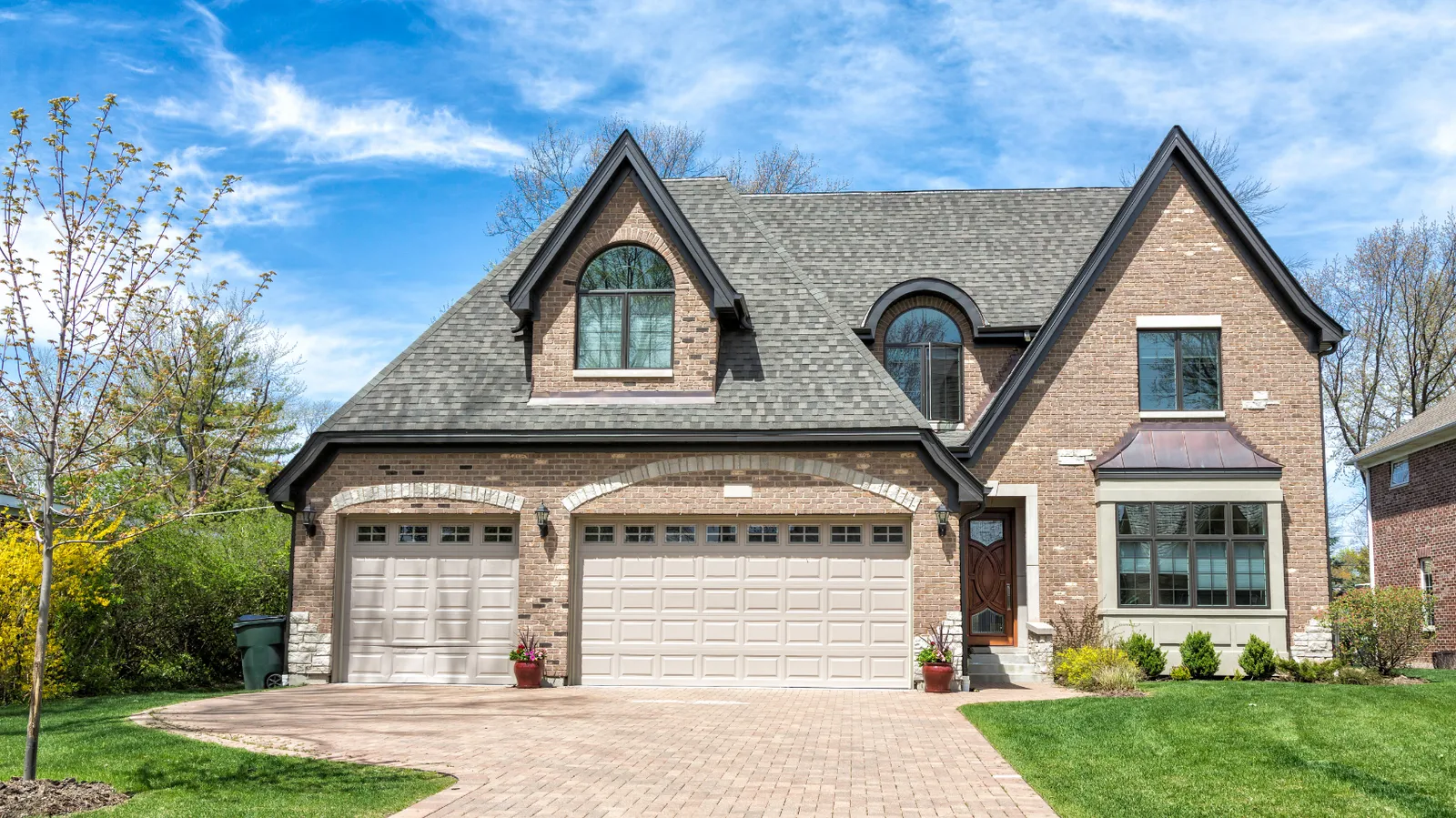
Walking a Greenville storm claim end to end
Every step names the one insurance term it turns on and flags where a budget home stands to lose money, and start to finish the call is yours.
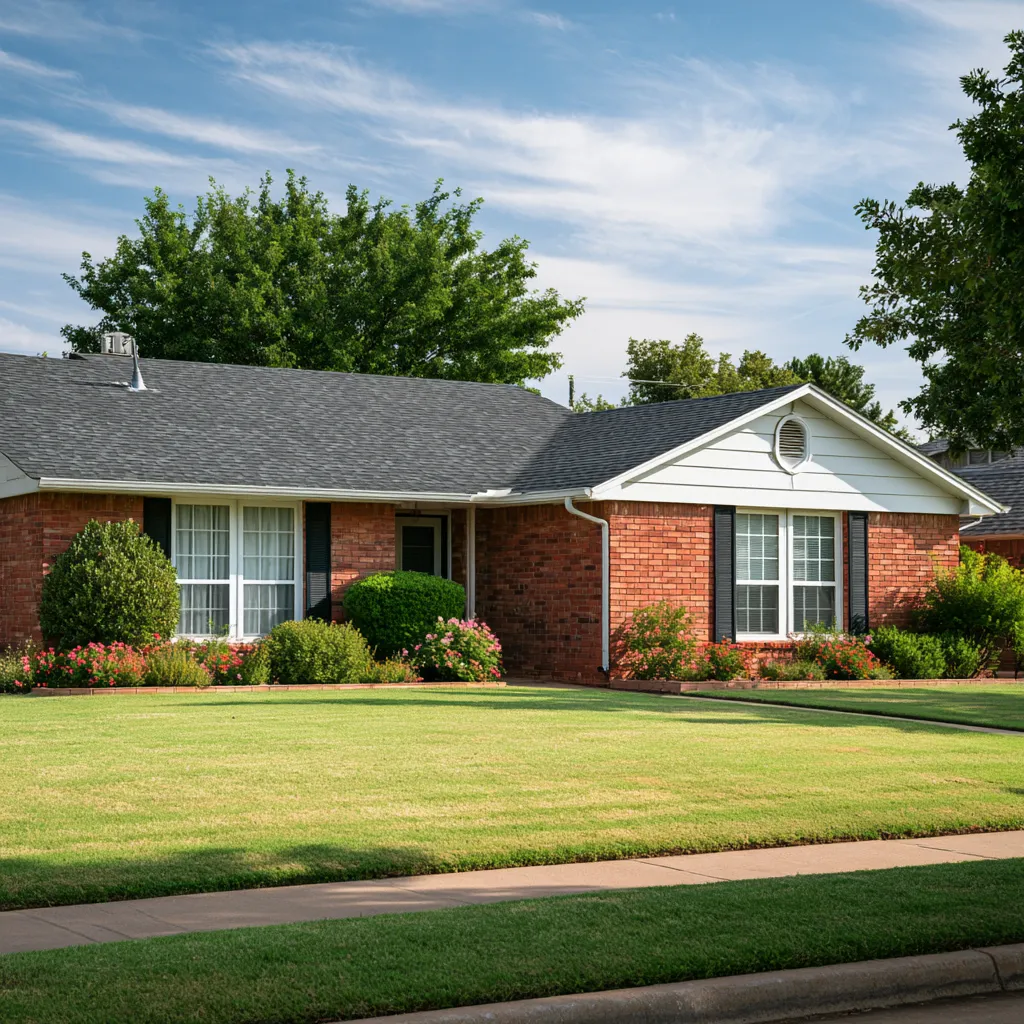
A ladder settles whether a claim exists
The very first move is onto the roof, not onto the phone with your insurer. A roofer reads the slopes one by one, notes each spot where a hailstone dimpled the mat or a gust clawed at a shingle, and matches it to a dated Hunt County storm. Nothing is filed at this stage. The visit answers a single budget question: is there real, provable damage here, or is this an older roof simply reaching its end.
date of lossPhotos and measurements, before the adjuster
On that same visit the roof goes on paper. Every plane is dated in a photo, the roof is measured section by section, and each hit is logged on its own line. On a modest Greenville home this file is the thing that keeps genuine storm damage from being quietly written off weeks later, since hail bruising can read as perfectly fine from the driveway. The dated record carries the argument, not anyone's memory.
documented fileYou file the claim in your own name
Now that the file exists, you are the one who rings the carrier and opens the claim under your own name, comfortably inside the notice window your policy sets. The insurer issues a claim number, and everything that follows hangs off it. A roofer stays off this call by design, because the filing and every decision after it belong to you, and none of it gets opened on your behalf.
claim numberAdjuster and roofer, side by side
A week or several later, your carrier sends its adjuster out to grade the roof and decide what the policy will cover. Line that appointment up for the same window the roofer is on the roof if you can. Both of them standing on the same planes, with the dated file already open between them, means the ruling turns on documented damage rather than a squint from the front lawn.
adjusterWhere a quiet write-off costs you
Not long after, the carrier sends back its scope, meaning the itemized list of what it agrees to pay. Lay that beside your dated file and the lines it quietly left out come into view, and on a value-market home every dropped line is cash right out of your pocket. Anything your documentation backs goes back to the carrier as an add request the moment you spot it, and they rule on each one.
scopeThe second check, once the roof is done
Under a replacement cost policy the insurer holds back a portion, known as recoverable depreciation, until your new roof is up, finished, and billed. Send in that closing paperwork and the withheld amount arrives as a second check. Skip the job or never turn in the invoice and it vanishes, and on a lean budget that is money you can least afford to forfeit.
recoverable depreciationACV, RCV, and the money in the gap
A storm settlement usually arrives as two checks, the first one lighter, and the value written into your policy fixes what share of a new roof the carrier will actually fund. On a modest Greenville home that gap is money you feel. Each card below breaks one term down into real dollars.
The old roof, valued at its age
With actual cash value, the carrier settles on the roof's aged-down worth, subtracting a slice for each year the shingles have already lasted. That one payment is the whole of it, and on a modest Hunt County home it lands low with nothing further owed to you afterward.
A new roof, paid across two checks
Replacement cost coverage puts a new roof on the house and settles it in two stages. You collect the depreciated share first, the recoverable balance stays with the carrier, and that held portion reaches you after the job is done and the paperwork proves it. On a value-market Greenville home, closing that gap instead of writing it off is real money back in your pocket.
Your deductible is your own share of the claim, and Texas treats that as settled law rather than etiquette. House Bill 2102 made it illegal for a roofer to discount, forgive, front, or otherwise absorb any slice, which means a contractor dangling a paid deductible is dangling a criminal favor to land your business. On a tight budget what actually helps is the real figure named plainly with an estimate written around it, never a make-believe credit the statute forbids.
Paying out of pocket versus filing a claim
After a Hunt County storm, the honest first question on a budget is whether the damage even clears your deductible, and whether it is storm or wear. Follow both roads before you decide.
| After a Hunt County storm | Pay out of pocket | Document and file |
|---|---|---|
| A small, clearly storm-caused repair | Often the simpler call if it sits under your deductible | Not worth a claim when it falls under the deductible |
| Widespread hail across the slopes | A budget-breaking bill on a modest home | The storm loss a policy is built to pay |
| An older roof's storm damage | Easy to write off as age when nobody documents it | Storm separated from wear, in a dated file |
| The recoverable depreciation | Left on the table | Collected once the roof is finished and invoiced |
| Your deductible | Yours to pay, and Texas law says so | Yours to pay, and Texas law says so |
On a budget the real question is whether the damage clears your deductible and whether it is storm or wear, and a documented look answers both before you commit. Your deductible is yours either way, and no roofer may touch it under Texas law.
Greenville roof claim questions, answered plainly
What Greenville owners ask about filing deadlines, deductibles, ACV versus RCV, and squeezing a value-market claim for all it owes.
Q1How long do I have to file a roof insurance claim in Greenville?
Q2My policy mentions ACV and RCV. What is the real difference for my payout?
Q3Is a Greenville roofer state-licensed?
Q4Can a Texas roofer legally cover my deductible?
Q5My house is older and worth less. Is a claim still worth it?
Q6Will a roofer handle the whole claim for me?
Get the roof documented before you file
A tight, dated file is what a fair claim rests on. Reach out to Greenville Roofers and a roofer stamps the record, puts each policy term in plain words, and stands with you when the adjuster comes, and the claim stays yours to open and steer. The look is free, and if there is no genuine claim to make, a roofer says so straight.