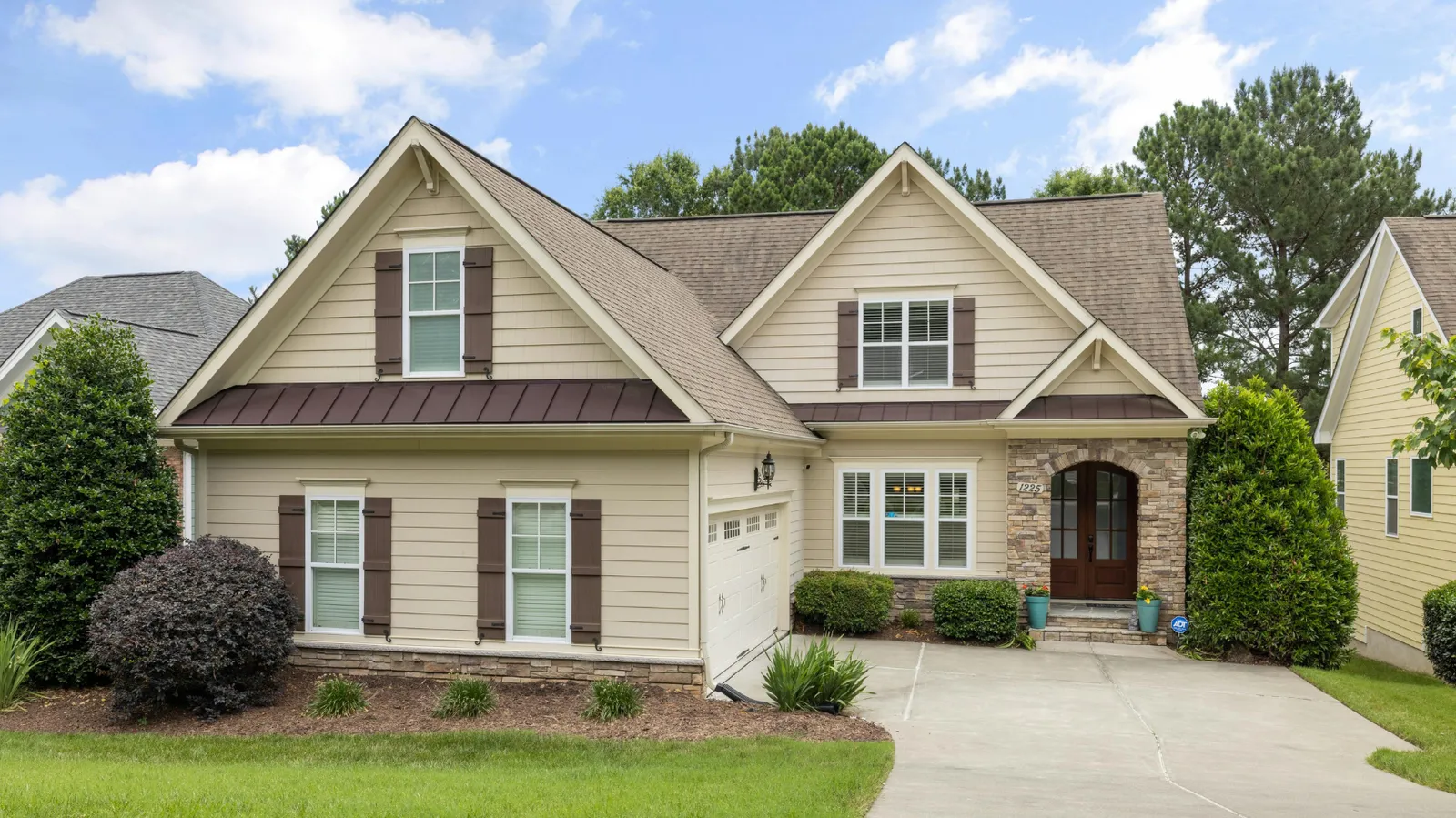
On a value-market home, the repair-or-replace question is really a budget question. A full re-roof is the biggest single bill a Greenville house tends to face, so the honest goal is not the cheapest fix today but the choice that costs the least over the next few years. Sometimes that is a targeted repair, and sometimes paying once to replace beats paying twice to patch. Getting that call right on a budget starts with money, not the roof. What the house is worth, how much life the roof has left, and where the damage sits all decide whether a repair is smart or just a delay. Here is how to weigh repair against replacement when the budget is tight, with a plain cost guide to price each path.
Start with the money, then the roof
The first honest question on a budget is not what is wrong with the roof, it is what the roof is worth spending. On a modest Greenville home, a two-thousand-dollar repair that buys five more good years is often the smarter call than a full replacement the house does not yet need, and a roofer worth trusting will say so rather than sell the bigger job.
The math flips when the repair is only a stall. Spending on a patch for a roof already at the end of its life is money handed to the next problem, so the real comparison weighs the repair cost plus the replacement it merely postpones against the cost of replacing once and being done.
When a repair is the smarter spend
Plenty of older Greenville roofs do not need replacing, and a good roofer will tell you when yours is one of them. When the shingles still hold their flex and granule cover, when the trouble is confined to one slope or a few courses around a vent or chimney, and when the roof has real life left, a targeted roof repair is the sensible, cheaper move. A flashing failure, a handful of wind-lifted shingles, or a single storm bruise is a repair, not proof the whole roof is done.
The discipline is honesty about scope. A repair on a roof with years in it is a smart budget move; the same repair on a roof already worn out only rents a little time at a steep hourly rate. A roofer worth hiring shows you with photos why the roof is fixable, and says plainly when a patch is only buying a season.
When paying twice is the real risk
The trap a tight budget falls into is patching a roof that is genuinely finished. Widespread granule loss and bald, shiny patches, shingles gone brittle and cracking across several slopes, or leaks turning up in different spots at once are signs the surface is spent, not damaged in one place. Fixing those one at a time costs more over two or three years than resetting the clock once.
Greenville's older core makes this call common. Around Downtown Greenville and the mid-century west side, plenty of roofs are on their second or third covering and simply worn out, and on those a full replacement that also brings the roof to current code is usually the honest cheaper answer over time, even though the sticker is bigger today.
The decking surprise an older roof hides
On the oldest Greenville homes, the budget has to leave room for the wood under the shingles. Decking is the sheathing the shingles nail to, and on a house built in the 1960s or 1970s some of it can hide rot or soft spots that only show once the old roof is stripped, so a job that looked like a clean replacement can grow by a few sheets of plywood mid-work.
The honest way to handle that is up front, not mid-tear-off. A good estimate names a per-sheet price for replacing bad decking before the crew starts, so the one true surprise on an older re-roof is a line item you already agreed to. What the existing deck and framing will carry can also steer the material choice, which the material guide covers in plain terms.
Getting both numbers before you decide
A budget decision deserves two real figures, not a hunch. A local roofer can price the repair and the replacement side by side, at no cost, so you are choosing between actual numbers rather than a rule of thumb, and on a value-market home that clarity is often what keeps the choice from defaulting to the cheaper-looking mistake.
The right answer comes down to the age of the roof, the spread of the damage, and what the deck will carry, read on site rather than guessed. Here is the short version of getting there:
- 1. Note where the wear or the leak sits: one slope or spot, or spread across several.
- 2. Book the free documented inspection so the roof and the decking get read, not guessed.
- 3. Ask for the repair price and the replacement price side by side, both in writing.
- 4. Weigh the repair against the replacement it only postpones before you sign anything.
Not sure whether your older Greenville roof needs a repair or a full replacement? Contact Greenville Roofers, and a local roofer will document the roof, price both paths honestly, and help you spend the budget where it counts, at no cost.
Weigh repair vs. replace