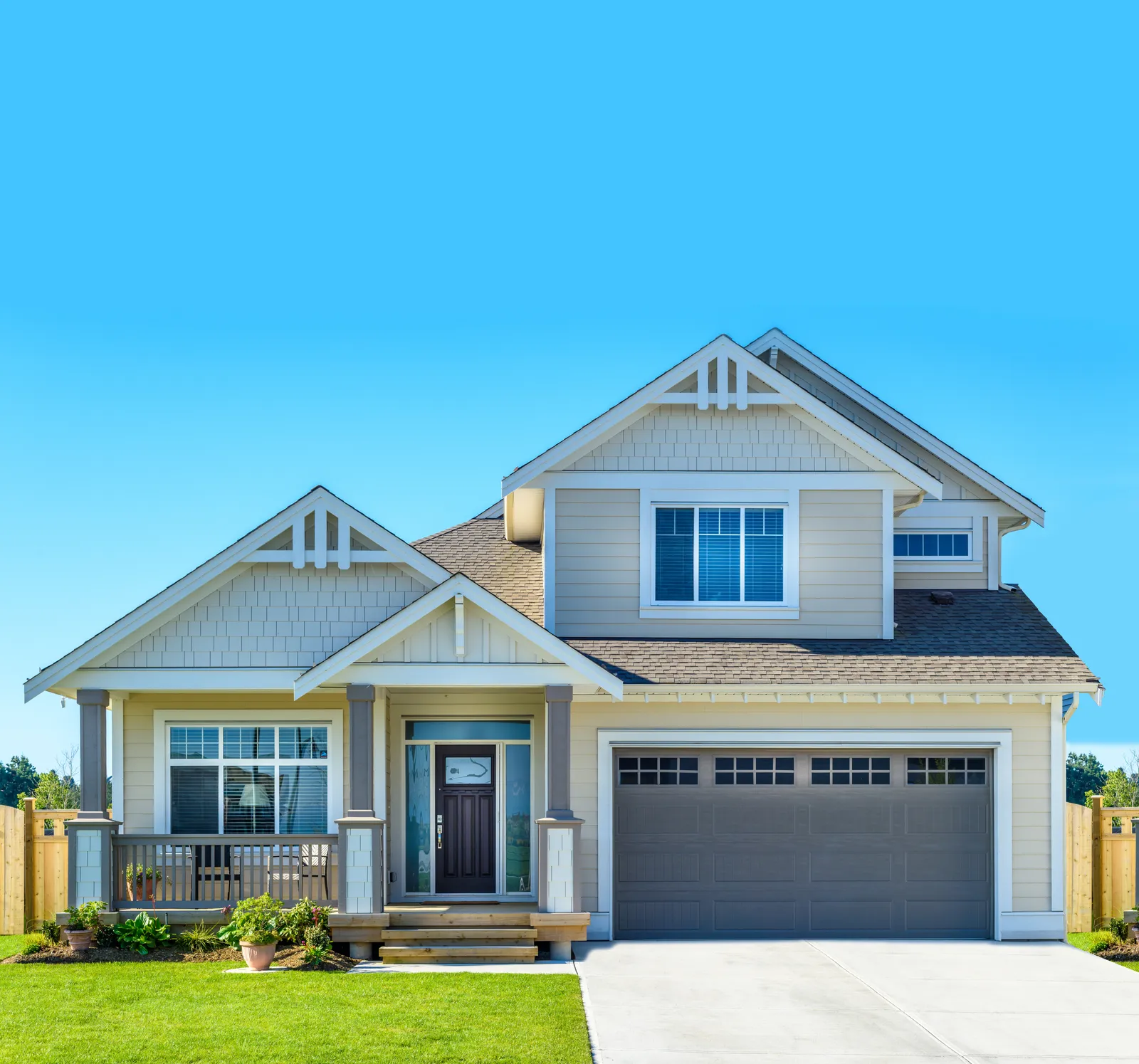
Greenville is not a big DFW suburb, and the size of its homes shows in the final roofing bill. The per-square rate for shingles and labor runs about the same as it does down in the metro, but with a median home value well below the suburbs and a lot of older, single-story homes, the whole-roof total here often lands below the number a homeowner in Frisco or Prosper would brace for. Smaller, simpler roofs, not a discount, are what keep the bill lighter. That lighter total does not mean lower standards, though. A roof still has to be measured, torn off, decked where the wood has gone soft, and flashed correctly, and skipping any of that to hit a price is how a cheap roof becomes an expensive leak. Here is how far a roofing budget actually goes in Greenville, what moves the number, and where a tight budget should hold the line, with a full cost breakdown alongside.
Why a Greenville roof's total often runs lower than a DFW one
The gap comes down to what Greenville homes are, not a discount anyone is handing out. Much of the town is single-story ranch houses from the mid-century decades, plus newer one-story builds out in Ellis Farm and Stonewood Estates, and a one-story roof is simpler and safer to work than a steep two-story suburban roof. Fewer stories, gentler pitches, and a smaller footprint all pull the total down.
The rate itself barely moves. Shingle and labor pricing is a metro-wide market, so a Greenville square costs roughly what a Plano square does for the same quality work. The honest headline is that the same architectural shingle adds up to less on a Greenville ranch than on a big master-planned two-story, because the roof is smaller and lower, not because the rate is cut.
The per-square ranges to plan around
Roofers price by the square, a ten-by-ten patch of roof, and a typical Greenville home runs somewhere between eighteen and twenty-four of them once every slope is counted. As a planning guide rather than a quote, these are the tiers a re-roof here tends to fall between:
- Architectural asphalt: roughly 410 to 690 dollars per square, the value-market default on most Greenville homes.
- Class 4 impact-rated asphalt: about 500 to 780 per square, a step up that holds up better to Hunt County hail.
- Metal or designer: higher still, into four figures per square, usually a stay-put choice rather than a budget one.
- A targeted repair: a fraction of any full re-roof, when the damage is caught in one place.
What actually moves a Greenville roof price
Two roofs the same size can land at different numbers, and the reasons are usually the same handful. Steepness and height raise labor, a second layer to tear off adds disposal, and the material tier you choose sets the floor. On Greenville's older homes one more factor shows up often: the decking underneath.
Decking is the wood the shingles nail to, and on a home built in the 1960s or 1970s some of it can be soft or rotten once the old roof is off. A fair estimate names a per-sheet price for replacing bad decking before the work starts, so the one true surprise in an older re-roof is a line item you already agreed to, not a bill sprung mid-job. A documented estimate puts all of this in writing first.
Where a tight budget should not cut
A tight Greenville budget rewards a smart spend, not a cheap one, and a few things are false economy to skip. Underlayment, drip edge, proper flashing at the walls and chimney, and a pulled permit are the pieces that keep a roof watertight and on record, and a bid that leaves them out to look cheaper is not actually cheaper. It just moves the cost to the first hard rain.
The place a budget genuinely flexes is the material tier and the timing, not the workmanship. Choosing a solid architectural shingle over a designer line, or fixing a sound roof with a targeted repair instead of replacing it early, saves real money without gambling on the install. Cutting the flashing to save fifty dollars never does.
Getting a real number, not a round range
A range is a planning tool, and the honest truth is that the real figure only lands once someone measures the roof, counts the squares, and checks the deck and flashing on site. A written number after a roof is walked and photographed is a quote you can hold someone to; a guess from a photo is not.
A local roofer does that read at no cost and prices what your roof actually needs, no more. On a value-market budget that plain, measured number is worth more than any online calculator, because it reflects your Greenville roof rather than an average of a thousand others. Here is the short version of getting there:
- 1. Run the ranges above against your own roof's rough size to set expectations before anyone shows up.
- 2. Book the free documented inspection so the roof gets measured and the deck gets checked, not guessed.
- 3. Ask for any decking replacement priced per sheet, in writing, before the tear-off starts.
- 4. Read the written estimate against the ranges on this page, and ask about anything that does not line up.
Want a real number for your Greenville roof instead of a range? Reach out to Greenville Roofers, and a local roofer will measure the roof, check the deck, and put an honest, value-market price in writing at no cost.
Get an honest roof price